When you sell a product, you’re also taking on responsibility for what happens after it leaves your hands. One mistake can set off a chain reaction, like a chain of toppling dominoes.
If one customer manages to buy a defective product, they can sue every business involved in bringing it to market — even if they weren’t responsible for causing the defect. That’s why understanding product liability risk (and how insurance responds to it) matters.
TL;DR: What Is Product Liability Insurance?
Product liability insurance for food is designed to pay for injuries, illnesses, and legal claims caused by your product after it leaves your kitchen, plant, or co-packer. It can cover the bills, legal defense, and required proof of insurance for retailers and marketplaces.
Who Needs Product Liability Insurance?
Any product-based business that creates or sells consumer goods needs product liability coverage. This includes:
- Suppliers
- Manufacturers
- Importers
- Distributors
- Wholesalers
- Retailers
- E-commerce businesses
- Online sellers
If you play any role in getting a product to market, you’re exposed to product liability risk. That means you could become part of the statistic that 90% of all businesses will experience a lawsuit at some point.
Even if you didn’t design or manufacture the product, selling it can be enough to tie you to a claim.
What’s the Difference Between Product Liability vs. General Liability?
Product liability is coverage for claims caused by your product, while general liability is coverage for claims caused by your business operations.
- Product liability: Designed to cover injuries or damage caused by a product you make or sell
- General liability: Made to cover slip-and-falls, property damage, and other operational risks
These coverages are often bundled into a single policy, providing your business with broader protection and allowing you to customize coverage as you grow.

What Does Product Liability Insurance Cover (& Not Cover)?
Product liability commonly covers harm caused by your product, but it has limitations.
|
What Product Liability Covers ✅ |
What Product Liability Doesn’t Cover ❌ |
|---|---|
|
Bodily injury (allergic reaction, illness, cuts) |
Intentional misconduct |
|
Property damage (stains, tears, burns) |
Contractual liabilities |
|
Legal defense costs |
Product recalls |
|
Manufacturing defects |
Warranty or performance guarantees |
|
Mislabeling |
Pollution-related claims |
While product liability insurance is there to help when things go wrong, businesses are still responsible for maintaining safe products and business practices.
To strengthen your protection, you can often add coverages like inland marine or product recall to your insurance plan. These help fill gaps that a standard product liability policy doesn’t cover (because no single coverage protects against everything).
Common Product Liability Terms To Know
New to insurance language? Here are a few product liability terms you’ll see often.
What Are The Most Common Product Liability Risks?
The most common product liability risks stem from manufacturing, design, labeling, and marketing of product defects.
| Risk | What It Means | Examples |
|---|---|---|
|
Manufacturing defects |
A defect that occurs during the manufacturing |
– Contamination |
|
Design defects |
A defect caused by poor or insufficient |
– Unsafe designs |
|
Labeling defects |
A defect in the labels, warnings, or instructions |
– Inadequate instructions |
|
Marketing defects |
A defect in the marketing and advertising of a |
– Misleading claims |
No two businesses are alike, and neither are their risks. Your exposure depends on your industry, product type, and how your product moves through the supply chain.
When your business is part of a supply chain, you’re also exposed to risks beyond your direct control. Testing, storage, and handling may happen elsewhere, but the liability can still land with you.
Did You Know?
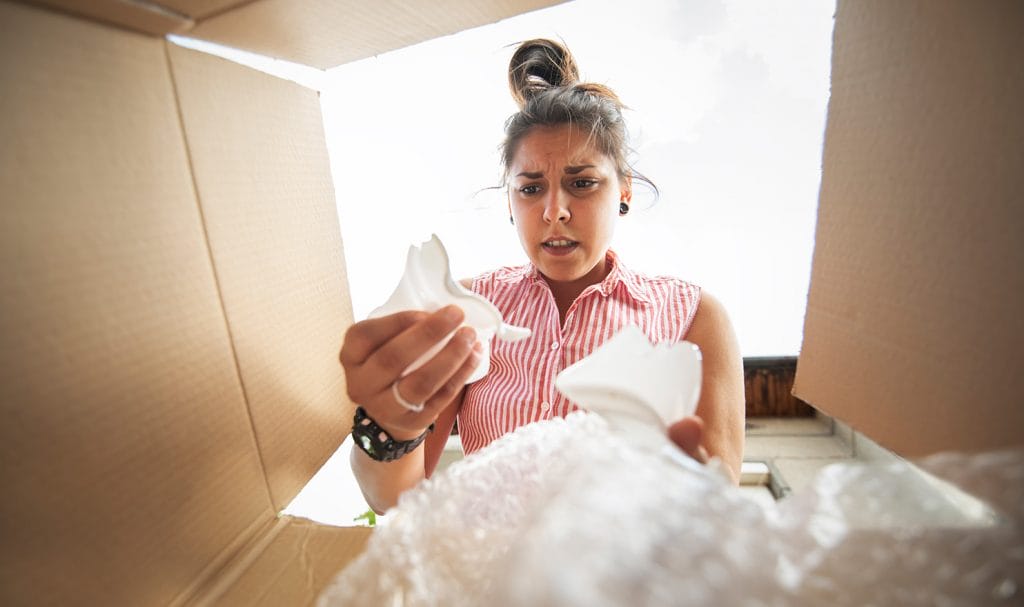
The most common product liability claims we see are caused by manufacturing defects.
How Much Does $1 Million in Product Liability Coverage Cost?
One of the most common questions we hear is, “How much does a $1,000,000 product liability insurance policy cost?” And the truth is, the price depends on several factors, but it’s ultimately customized to your exact business needs.
On average, Insurance Canopy customers pay $700 to $3,000 per year for product liability coverage. It’s often more affordable than you think!
Average Cost of Product Liability Insurance
- Low-risk products with low sales volume: $500/year
- Medium-risk products with medium sales volume: $1,800–$2,500/year
- High-risk products with high sales volume: $10,000+
What Impacts the Cost of Product Liability Insurance?
- Type of product(s)
- Annual sales volume
- Distribution channels (online, retail, wholesale)
- Coverage and limits
- Claims history
- Business type
Do I Need Product Liability Insurance for Amazon or Retail Stores?
If you sell products on Amazon or are a retail seller, product liability insurance is a must before your product hits the shelves (digitally or physically). You’ll typically need:
- Proof of product liability coverage (Certificate of Insurance)
- Minimum limits (starting at $1 million per occurrence / $2 million aggregate)
- Additional insured status
Retailers and marketplaces often see sellers as the final checkpoint before products reach consumers, which places a lot of liability on your shoulders.
How to Get a Product Liability Certificate of Insurance (COI)
Getting proof of coverage quickly matters, especially when partnerships or product listings are on the line. Here’s how you can get your product liability COI with Insurance Canopy:
- Apply online and receive a free custom quote within 1–2 business days
- Work with a licensed agent to confirm coverage needs
- Provide additional insured information, along with any special wording needed
- Confirm policy details and securely purchase online
- Request a copy of your COI
What Does Product Liability Risk Look Like Across the Supply Chain?
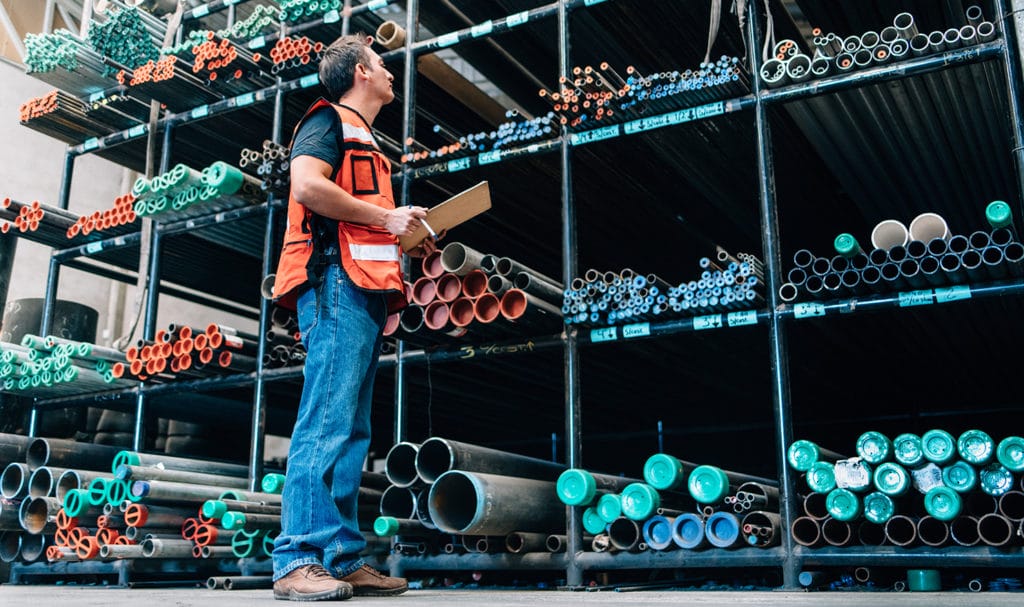
Even if you “just sell it,” the liability can still land with you. Each role in the supply chain carries its own risks and responsibilities.
| Supply Chain Role | Common Risk | Practical Prevention Examples |
|---|---|---|
|
Suppliers |
– Faulty or substandard materials |
– Quality control |
|
Manufacturers |
– Design flaws |
– Testing |
|
Importers |
– Non-compliant products |
– Supplier vetting |
|
Distributors |
– Damage during handling or transport |
– Safe handling protocols |
|
Wholesalers |
– Widespread distribution of defective products |
– Product verification |
|
Retailers |
– Selling defective products |
– Supplier vetting |
|
E-commerce / Online Sellers |
– Listing unsafe products |
– Accurate listings |

How to File a Product Liability Insurance Claim
Navigating the product liability insurance claims process might seem daunting, but it’s designed to ensure businesses and consumers are protected when things go wrong.
If an incident occurs:
- Document the details
- Preserve the product and packaging
- Notify your insurance carrier promptly
- Share all relevant information
- Cooperate with the investigation
- Review what went wrong and improve controls
Both you and the insurance company should maintain detailed records of the entire claims process. This documentation is essential for compliance, future reference, and any potential audits or reviews.
Occurrence vs. Claims-Made Policies: What’s the Difference?
Most product liability policies are written on an occurrence basis, meaning coverage is tied to when the incident happens (not when the claim is filed). Claims-made coverage is tied to when the claim is made and reported.
With occurrence coverage, you’re eligible to file a claim at any time (even after the policy ends) as long as an incident happened during your policy period.
Protect the Brand You’re Building With Insurance Canopy
Insurance Canopy’s licensed, non-commissioned insurance agents are here to help you secure coverage that fits your business (even if that coverage isn’t with us). Apply online today for a free product liability insurance quote and protect the business you’ve worked hard to build.
Next Steps
✅ Get a free product liability quote
✅ Talk to a licensed agent
✅ Secure coverage
✅ Download your COI
Common Product Liability Insurance FAQs
Is Product Liability Included With General Liability?
Yes, product liability is typically included with general liability, but the amount of coverage and limits depend on the policy.
Many insurers bundle general and product liability together, but you should always confirm your limits and exclusions. For example, if you buy a general liability policy, you may have little to no product liability coverage. But if you buy product liability coverage, general liability is commonly included.
Can I Insure Imported or Private-Label Products?
Yes, you can insure imported or private-label products. An agent will need to know all the products you wish to insure, including their ingredient lists and labels. This allows us to quote you with the right amount of coverage for your products.
Will My Policy Cover Legal Defense If a Claim Is False?
Yes, your policy is designed to cover legal defense costs if a claim is found to be false.
What’s an Example of a Product Liability Insurance Claim?
An example of a product liability insurance claim is a customer being injured using your product as intended, so they file a claim to cover the cost of their medical care. Your insurer investigates the claim, and if approved, pays for the covered damages up to your policy limits.
Do I Need Product Recall Insurance?
Yes, you may need product recall insurance if recall costs would significantly impact your business. Product liability insurance does not include recall coverage, but it can be added to a policy for a separate fee.