

The difference between inland marine and commercial property insurance is the location of your business and the property you use for it.
Just by looking at the names, it’s easy to assume you’ll need commercial property insurance to cover your gear (because what does your business have to do with boats?!). But don’t let the names fool you — you’re more likely to need inland marine coverage than you think!
Let’s break down these coverages to help you understand which ones you may need to keep your growing business protected.
Common Terms You’ll See
- Inland marine insurance: Made to cover movable business property wherever it goes
- Commercial property insurance: Designed to cover your business location and the property inside it
What’s the Difference Between Inland Marine and Commercial Property Insurance?
Understanding inland marine vs property insurance comes down to one thing: does your property stay in one place, or does it move around?
If your tools, equipment, or inventory ever leave your main location (even just sometimes), you may need both coverages.
Use the chart below to determine which coverage is best for you:
| Inland Marine Insurance | Commercial Property Insurance | |
|---|---|---|
|
What it covers: |
– Movable tools, equipment, and inventory |
– Buildings |
|
Where coverage applies: |
– In transit |
– One fixed business location |
|
Best for: |
– Mobile businesses |
– Fixed home businesses |
What Does Inland Marine Insurance Cover vs. Commercial Property Insurance?
Inland marine insurance is made to cover movable business property, while commercial property insurance is fixed to a primary business location. They may appear to act similarly, but they have subtle differences that can apply to various business scenarios.
| Things it can Cover | Inland Marine Insurance | Commercial Property Insurance |
|---|---|---|
|
Physical buildings (like a workshop or store) |
No ❌ |
Yes ✅ |
|
Permanent fixtures or installed equipment |
No ❌ |
Yes ✅ |
|
Fire damage or water leaks to property |
No ❌ |
Yes ✅ |
|
Theft or physical damage |
Yes ✅ |
Yes ✅ |
|
Items kept at your primary business location |
Yes ✅ |
Yes ✅ |
|
Items stored off-site (like a storage unit or warehouse) |
Yes ✅ |
No ❌ |
|
Items in transit (traveling to job sites or shipping products) |
Yes ✅ |
No ❌ |
|
Items used at other locations |
Yes ✅ |
No ❌ |
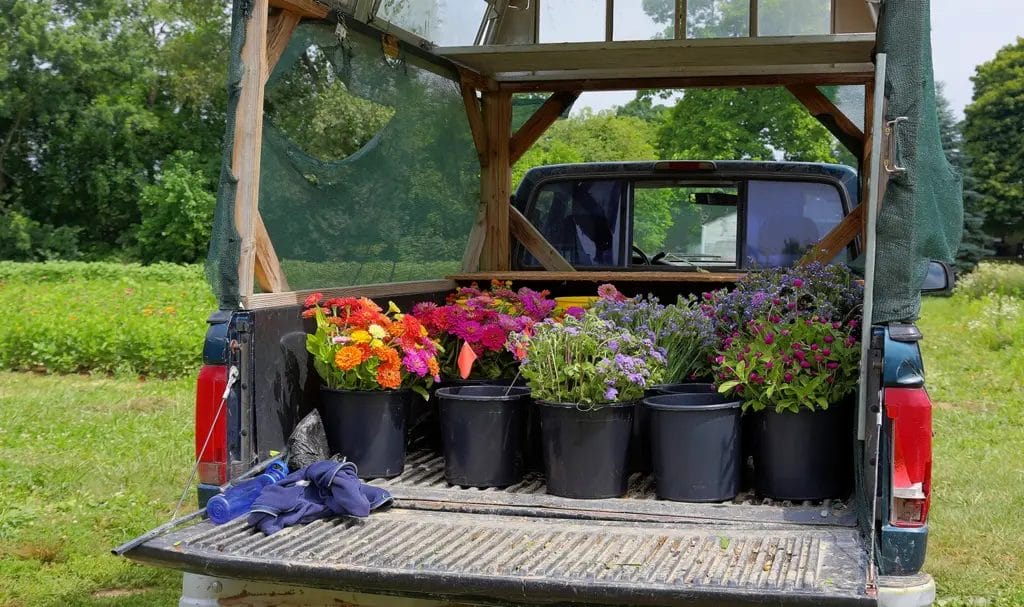
Inland marine is ideal for covering things that don’t stay in one place, like:
- Landscaping tools taken to a job site
- Camera gear used to shoot at various locations
- An artist transporting inventory to galleries
- A market vendor storing their setup in a storage unit
- An online seller dropshipping products stored with the supplier
- Catering equipment used at events and clients’ homes
Commercial property is better suited for businesses with a physical location that need to insure a building or permanently installed equipment, like:
- A hairstylist who wants to open their own salon
- A food truck owner wanting to expand into a restaurant
- A home baker looking to install a second oven to increase operations
- A personal trainer converting a garage into a private home gym
- An artist with a kiln built into a separate workshop on their property
- A freelance consultant renting office space to run their business
Commercial Property Insurance vs. Inland Marine: What’s Not Covered
Both inland marine and commercial property have limits. For example, they may not cover:
- Vehicles and trailers (check out commercial auto insurance)
- Items permanently attached to vehicles
- Items on your property in your care, custody, or control (check out bailee coverage)
- Theft or damage by an employee
- Mysterious disappearance

When Do You Need Inland Marine & Property Insurance?
Most small businesses have a mix of fixed property and moving equipment, and knowing which coverage to add to your small business insurance can be tricky.
You may need both if:
- You have a home base (office, shop, studio, etc.)
- And you regularly take tools, inventory, or equipment elsewhere
Knowing which coverage to buy and when gets easier when you think about how your business actually operates day to day.
Starting out? Begin with inland marine coverage.
Most small businesses start small (often from home) with tools, supplies, or inventory that move around. It helps protect business personal property, even when it’s stored at home or taken elsewhere.
If something like a fire or water leak happens, your homeowner’s insurance may cover damage to your home itself, but it typically won’t cover your business property. That’s where this coverage comes in; many small businesses need inland marine insurance to help protect their movable business gear and equipment.
Have equipment that stays put? Consider property insurance.
If you start adding permanent or installed equipment, that’s when commercial property coverage becomes more relevant. For example:
- A home baker installing a commercial oven
- A personal trainer building out a home gym
- An artist setting up a dedicated studio space
If it’s fixed to a space, property insurance is usually the better fit.
As you grow, inland marine coverage continues to follow your business.
The more business you do, the more likely it is that your business items are on the move too. You might:
- Store inventory in a storage unit
- Travel to job sites
- Sell at events or markets
- Work at client locations
Inland marine continues to cover your gear in all of these situations.
Opening or renting a space? Get commercial property insurance.
You’ll typically need commercial property insurance when you establish a true business location, like:
- An office
- Salon or studio
- Retail storefront
- Warehouse or workshop
Or, if you:
- Rent a dedicated space
- Open a second location
- Move out of your home into a commercial setup
At this point, property insurance protects your home base, while inland marine can still protect what leaves it.
Building a separate space at home? You may still need property coverage.
Even if you’re working from home, a detached or dedicated business space may not be fully covered by your homeowner’s policy. For example:
- A backyard studio
- A detached workshop
- A garage converted into a business space
Property insurance may be needed to properly cover that structure and what’s inside.
Already have property insurance? Here’s when to add inland marine.
If you already have a business location covered, inland marine becomes essential if your property ever leaves it.
Ask yourself:
- Do I work in multiple locations?
- Do I regularly transport tools or equipment?
- Do I store items somewhere other than my main location?
- Do I ship or deliver products?
If yes to any of these, inland marine helps fill those coverage gaps.

Common Misunderstandings About Property Coverage
No one wants to hear they need more coverage, but no one wants to learn they aren’t covered for a claim they thought they were. Your business often relies on certain items to keep it going, and without the right coverage for those items, your operations could halt. Let’s clear up a few things that trip people up so you can pick the right protection:
Myth: “Commercial property covers my tools wherever they go.”
Reality: Commercial property typically limits coverage to your insured location. If you take anything off-site to use at a client’s house, an event, a job site, or to store elsewhere, you need inland marine coverage.
Myth: “Inland marine is only for shipping companies.”
Reality: Inland marine coverage is widely used by businesses and entrepreneurs, not just shipping companies! Despite the name sounding like something to do with boats, many contractors, creatives, vendors, and more use it to cover their business property.
Myth: “If I already have one property policy, I do not need to think about the other.”
Reality: Many businesses need both inland marine and property insurance to avoid coverage gaps.
“The most common mistake we see is business owners assuming their property coverage follows their equipment everywhere. In reality, most policies are tied to a location. If your tools or inventory leave that location, you may have a coverage gap.”
—JoAnne Hammer
Inland marine and commercial property do not cover vehicles, trailers, or items permanently attached to these objects. Separate commercial auto coverages may apply.
Can You Have Both Inland Marine and Commercial Property Insurance?
You can definitely have both inland marine and commercial property insurance — and many businesses do.
Business owners often get property insurance to cover their primary business location, then inland marine to cover the stuff they take to work in other locations. They are designed to work together since many businesses don’t solely operate in one place. If the work you do moves around, your coverage should too!
Pro-Tip: One of the easiest ways to remember how coverage works is to think, “If it travels, inland marine follows. If it’s permanent, it falls under property.”
Get Coverage That Grows With You!
There are a million different ways your business may operate, and that’s what makes it unique! Whether you’re thinking about inland marine, commercial property, or both, Insurance Canopy specializes in tailoring customized coverage to unique businesses. Talk with a licensed agent today, and we’ll help match you with the right policy.

Common Questions About Vendor Red Flags
What Should I Check Before Booking a Vendor?
Before booking a vendor, check for:
- Pricing
- Contract terms
- Cancellation policies
- Reliable communication
- Proof of insurance
If anything is unclear, ask for more details before booking.
How Do I Choose the Best Event Vendors?
To choose the best event vendors, look for businesses with positive reviews, venue or planner recommendations, and services that best match your event.
Be mindful during the inquiry process and choose vendors who communicate well, provide clear pricing, and use contracts.
What Happens If a Vendor No-Shows?
If a vendor no-shows, your contract with them should outline the next steps. Many vendors provide a backup plan, replacement, or offer refunds. Without a contract, your options are limited.
If you have event cancellation insurance, your policy may cover vendor no-shows. An event planner, day-of coordinator, or your venue may have a list of vendors they could contact as a backup plan.
Do All Event Vendors Need Insurance?
It’s recommended that all event vendors carry insurance. This prevents accidents that may occur during your event from falling back on you.
Many venues require outside vendors to carry their own insurance policies before working on their property. Photographers, DJs, performers, caterers, food trucks, bartenders, florists, and rental vendors are most often asked to provide proof of insurance.
Do I Need to Ask for Proof of Insurance, or Will the Venue Handle It?
You should always ask for proof of insurance, regardless of whether the venue requires it or not. Working with insured vendors allows you to more easily vet reliable businesses and lowers your risk of paying for claims.
It’s best to confirm directly with a vendor if they can provide proof of insurance, add you as an additional insured, and keep a copy for your records. Venues that require vendor insurance will likely confirm it with your vendor directly.